
"coffee export grades"
6000 article(s) found

Taste characteristics of Ethiopian Coffee Flavor description treatment
Ethiopia's geographical environment is very suitable for coffee growth. Coffee is mainly grown in the southern highlands between 1100 and 2300 meters above sea level. The main coffee producing areas are Harar, Limu, Djimma, Sidamo, Kaffa, Yergacheffe and Wellega. The soil drainage in these areas is good.
Jamaican Coffee grading method what grade of Jamaican coffee is a good Blue Mountain coffee
For more information on coffee beans, please pay attention to the coffee workshop (Wechat official account cafe_style). According to the law, only beans from the Central Blue Mountains area of Jamaican coffee can be called Blue Mountain Coffee. High-quality Blue Mountain Coffee is divided into three grades: No. 1 (over 17018), No. 2 (16), and No. 3 (15), which is equivalent to 1764 inches in size.
Coffee grade countries according to self-set standards are as follows
National place name: indicates the area where coffee is produced. For example, Ethiopia. Harald shows that the product is produced in Harald, Ethiopia. It should be noted here that the name of the country is the same, but when the region and year are different, the quality of coffee is different, and the taste of coffee is not guaranteed to be consistent. Port of export: indicates the port of export of coffee. Coffee of the same origin and brand in the same place.

Basic knowledge of boutique coffee details the grade and brand of coffee
National place name: indicates the area where coffee is produced. For example, Ethiopia. Harald shows that the product is produced in Harald, Ethiopia. It should be noted here that the name of the country is the same, but when the region and year are different, the quality of coffee is different, and the taste of coffee is not guaranteed to be consistent. Port of export: indicates the port of export of coffee. Coffee of the same origin and brand in the same place.

Colombian coffee exports are mainly sold to that place.
Colombia is fortunate to have Atlantic and Pacific ports, which helps to reduce the cost of transporting coffee, which is the only country in South America. The main production areas of Colombia are in the central and eastern mountains. The most important plantations along the central mountains are located in Medellin, Armenia and Man.
Introduction to the taste of grinding scale varieties by the method of flavor description of Ethiopian Rosa coffee
Ethiopian rose summer coffee flavor description method grinding scale varieties taste introduction in Ethiopia, coffee grading and quality control system is divided into three levels: producer, regional and national. All coffee is inspected by local inspection agencies before leaving the country of origin, and then re-tested at the coffee inspection and grading centers in Addis and Diredawa to determine its quality grade.
Coffee grade
Country of Origin: Indicates the region where coffee is produced. For example, Ethiopia. Harar "indicates that the product was produced in Harar, Ethiopia. It should be noted here that the name of the country is the same, but the region and year are different, the quality of coffee is different, and the taste of coffee cannot be guaranteed to be consistent.

Introduction to the difference between Sidamo Coffee Flavor description and Yega Xuefei
Introduction to the difference between Cedamo Coffee Flavor description and Yega Chuefei Coffee the highest grades of Yirgacheffe and Sidamo are Grade 2 and Grade 3 (G2, G3), while most of the sun-processed coffee in eastern Ethiopia are Grade 4 or Grade 5 (G4, G5). In many cases, level 4 coffee is marked as level 5 in order to reduce taxes

A brief introduction to the flavor and aroma characteristics of Ethiopian boutique coffee beans
Ethiopia's Yega Coffee is Ethiopia's most important export cash crop and a major source of Ethiopia's foreign exchange earnings. Ethiopia's coffee exports account for about 3% of the world market, making it the eighth largest coffee exporter in the world. Coffee exports increased steadily from 58000 tons in 1990-1991 to 110000 tons in 1995-96, and remained at this level for the next few years.

Introduction to the method of Flavor description and Grinding scale for Coffee Flavor in Ethiopia
In Ethiopia, the grading and quality control system of coffee is divided into three levels: producer, regional and national. All coffee is inspected by local inspection agencies before leaving the country of origin, and then re-tested at the coffee inspection and grading centers in Addis and Diredawa to determine its quality grade. Coffee is graded before auction and sale, for all involved in production, acquisition,
Introduction to Export Information of Coffee planting methods in Ethiopia
Ethiopian coffee can be classified according to the way it is grown and processed. 1. According to the planting mode, coffee can be divided into three types: forest-semi-forest coffee, courtyard coffee and plantation coffee. (1) 60% of the coffee belongs to forest-semi-forest coffee. In such a wild coffee forest, pesticides are not used at all, but biological prescriptions are used.
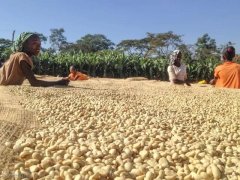
How are Ethiopian coffee beans graded? What's the difference between G1 and G3?
Professional coffee knowledge exchange more coffee bean information Please pay attention to the coffee workshop (Wechat official account cafe_style) often see Essel beans packaging written on what G1, G2, G3, what do these represent? What is the difference between them? The grading of Ethiopian coffee beans first of all, the Ethiopian Ministry of Agriculture has a person called CLU (Cupping and Liquoring Unit).

Ethiopian coffee plantation flavor taste introduction Ethiopian coffee characteristics
35% of coffee is courtyard coffee. In this coffee garden, the planting is three-dimensional distribution. Coffee sits in the lower layers, in the shade of other crops, to get the right environment to grow. Fertilizer is mainly deciduous, withered grass and animal manure. 5% of coffee is plantation coffee. This is a modern way of growing coffee. Coffee is grown in forests, but new varieties are used and mixed with other trees.

Introduction of Ethiopian Coffee Coffee varieties, Brand characteristics, Flavor description, Grinding scale, Fine Coffee
Quality characteristics of Ethiopian coffee flavor description treatment sun-cured coffee accounts for 65% of exports. Mainly picked by families, red coffee beans are placed on cement floors or on high tables to dry to about 11.5% humidity, then peeled and cleaned. Coffee grading and quality control system in Ethiopia, coffee grading and quality control system is divided into producer, regional and national

Ethiopian (mocha) coffee
The geographical environment of Ethiopia is very suitable for coffee growth. Mocha coffee is mainly grown in the southern highlands between 1100 and 2300 meters above sea level. The main coffee producing areas are Harar, Limu, Djimma, Sidamo, Kaffa, Yergacheffe and Wellega.

Ethiopian Coffee Flavor introduces the characteristics of Ethiopian Coffee
35% of the coffee is courtyard coffee. In this kind of coffee garden, the planting is three-dimensional. Coffee is located in the lower layer and gets a suitable growth environment in the shade of other crops. Fertilizers are mainly fallen leaves, withered grass and animal manure. 5% of the coffee belongs to plantation coffee. This is a modern way of growing coffee, which is also grown in forests, but uses new varieties and works with others.

Characteristic species of sun-dried coffee beans in Humbera Manor, Ethiopia
The characteristic types of sun-dried coffee beans in Humbera Manor in Ethiopia are in Ethiopia. The grading and quality control system of coffee is divided into three levels: producer, regional and national. All coffee is inspected by local inspection agencies before leaving the country of origin, and then re-tested at the coffee inspection and grading centers in Addis and Diredawa to determine its quality grade. Coffee is auctioned and sold.

Introduction to Ethiopian Coffee
Ethiopia is one of the major producers of Arabica coffee in Africa, producing the best Arabian coffee in the world.

Introduction to the planting environment of Ethiopian coffee
Due to different planting methods, coffee can be divided into three types: forest-semi-forest coffee (Forest or semi-forest coffee), courtyard coffee (Garden coffee) and plantation coffee (Plantation coffee). 60% of the coffee belongs to forest-semi-forest coffee. In such a wild coffee forest, pesticides are not used at all, but biological methods are used to control pests. 35%

Introduction to the Grinding degree of Geographical characteristics and Flavor description in Sidamo, Ethiopia
Ethiopian Coffee Flavor description characteristics of Grinding Variety introduction in Ethiopia, coffee grading and quality control system is divided into three levels: producer, regional and national. All coffee is inspected by local inspection agencies before leaving the country of origin, and then re-tested at the coffee inspection and grading centers in Addis and Diredawa to determine its quality grade. Coffee is at auction and